

As parents, we all want our children to be successful and feel confident in the things they do every day. Sometimes, though, you may notice that certain activities seem much harder for your child than they do for other children their age.
Maybe getting dressed is a daily battle. Maybe your child avoids playgrounds, struggles with handwriting, has difficulty sitting still in the classroom, or seems overwhelmed by certain sounds (such as a siren outside, or an air conditioner), movement (such as car rides, rollercoaster), or certain textures (such as foods and clothing). You may find yourself wondering:
Will They Grow Out of It, Or Could Occupational Therapy Help?
While some challenges can be grown out of, Sensory Integrative and Praxis challenges must be skillfully targeted. As Occupational Therapists, we look at how a child is functioning across the different areas of their life and whether challenges are getting in the way of their ability to participate, learn, play, and be part of their family with ease and automaticity. Even if their challenges do not warrant direct therapy, we make recommendations for leisure activities which support the development of sensory processing and praxis skills.

When Everyday Activities Feel Hard
Occupational therapy can help children who are having difficulty with everyday “occupations,” or activities that are important to their day to day lives.
For children, this includes things like:
Playing on the playground (think swinging, going on slides, climbing)
Getting dressed (think orienting clothing correctly, doing buttons or fasteners, tying shoes)
Eating and using utensils (think picky feeders, using a fork and a knife at the same time)
Participating in sports
Playing with friends (are they able to “get along” without a lot of issues?)
Writing and drawing
Cutting with scissors
Following classroom routines
Getting ready for school and out the door on time
Managing transitions
Learning new skills
Sometimes a child wants to participate but doesn't have the skills needed to be successful.
They may not be fully experiencing the environment through their senses leading to a lack of ease and automaticity when it comes to daily tasks that may come easily to others. This may indicate Sensory Integration or Praxis challenges.
Sensory Processing is The Foundation
When your child is struggling, it can be easy to think they are being stubborn, refusing, or simply not trying hard enough.
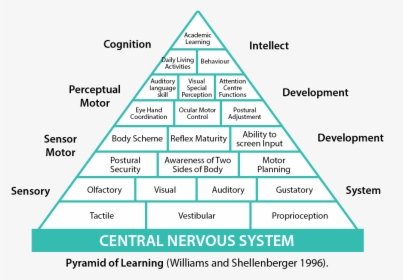
Instead, consider whether there is a skill that is making the activity difficult. Sensory Integration is the foundation for daily activities and academic learning.
Is your child having trouble processing the sensory information around them?
Do they have difficulty planning and sequencing their movements?
Are they overwhelmed by sounds, touch, movement, or visual information?
Are they having trouble regulating their bodies enough to be ready to learn?
Are fine motor or visual motor skills making schoolwork frustrating?
When we understand the underlying challenge, we can begin to help the child build the skills they need.
What Does an Occupational Therapist Look At?
At The LaunchPad, we look at the whole child.
We consider how your child takes in information from their environment, how they respond to sensory experiences, how they plan and coordinate movement, and how these skills affect their ability to participate in everyday activities.
Depending on your child's needs, an occupational therapy evaluation may look at areas such as sensory processing, praxis and motor planning, coordination, visual motor skills, fine motor skills, self-regulation, and fine motor skills.
Our goal is to help them be more successful in the things that matter to them.
What Can I Do If I'm Not Sure?
If you are wondering whether your child's challenges are within the typical range or whether occupational therapy may be helpful, a conversation with a pediatric occupational therapist can be a great place to start.
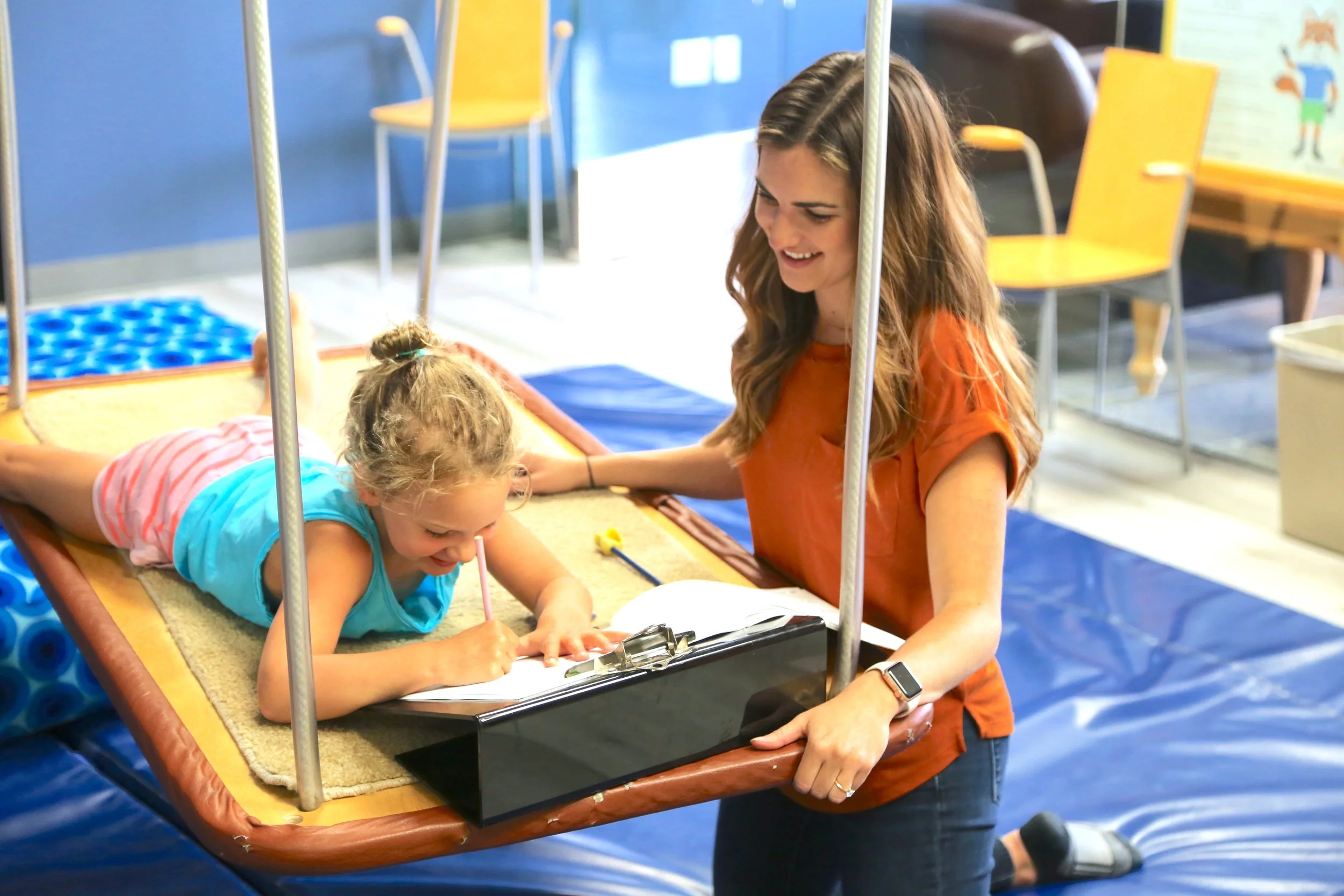
At The LaunchPad, we offer complimentary screenings where a therapist can meet with you and your child, observe your child through play, conduct standardized testing, discuss your concerns, and provide preliminary recommendations.
You know your child best.
If you find yourself thinking, “I know they can do this, but something is making it harder than it should be,” it may be worth taking a closer look.
We are here to help you understand what your child needs so they can continue to grow, learn, play, and thrive.