

Praxis is the ability to organize oneself in order to act upon the environment in a meaningful and efficient manner.
Praxis consists of ideation, motor planning, execution, and feedback. Ideation is the ability to conceptualize and plan what the child wants to do. For example, shoot a basket when playing basketball. Motor planning occurs when the child decides how they will attempt the task (stand at the baseline, hold hands above head, aim towards the backboard). In other words, plan the motor action. Execution is the ability to carry out that motor plan in the correct sequence with correct force. Feedback is utilized to improve performance the next time the specific motor action is attempted. Improving praxis improves self-esteem and coordination.
Improving praxis improves self-esteem and coordination.
Planning and sequencing are foundational for a child to perform many everyday tasks such as walking, running, playing on a playground and playing sports. Planning and sequencing skills are also required for everyday self care tasks such as dressing and eating, and impacts on a child’s ability to organize themselves and learn new routines. Poor planning and sequencing can also influence skills required to achieve in an academic setting such as writing, drawing and cutting.

When children are not adequately perceiving their environment, they will have difficulty acting upon the environment in a meaningful and effective manner.
Praxis has to do with novel challenges and the ability to problem solve. Oftentimes, children who experience praxis challenges will feel ill-equipped to navigate the unfamiliar or unexpected, which can result in meltdowns or “big emotions” more easily that one might typically expect.
The highest level of praxis for a child is peer interactions.
Imagine you are hosting a dinner party. Think of all the details that you must plan out and execute in order to have the party be a success. in addition to each of the courses, you must consider who you are inviting, how they will get along, who you are going to seat next to each other or far from each other. How did it go the last time you hosted a dinner party? What must you do differently next time? How do you handle it if something unexpected occurs? This is praxis.
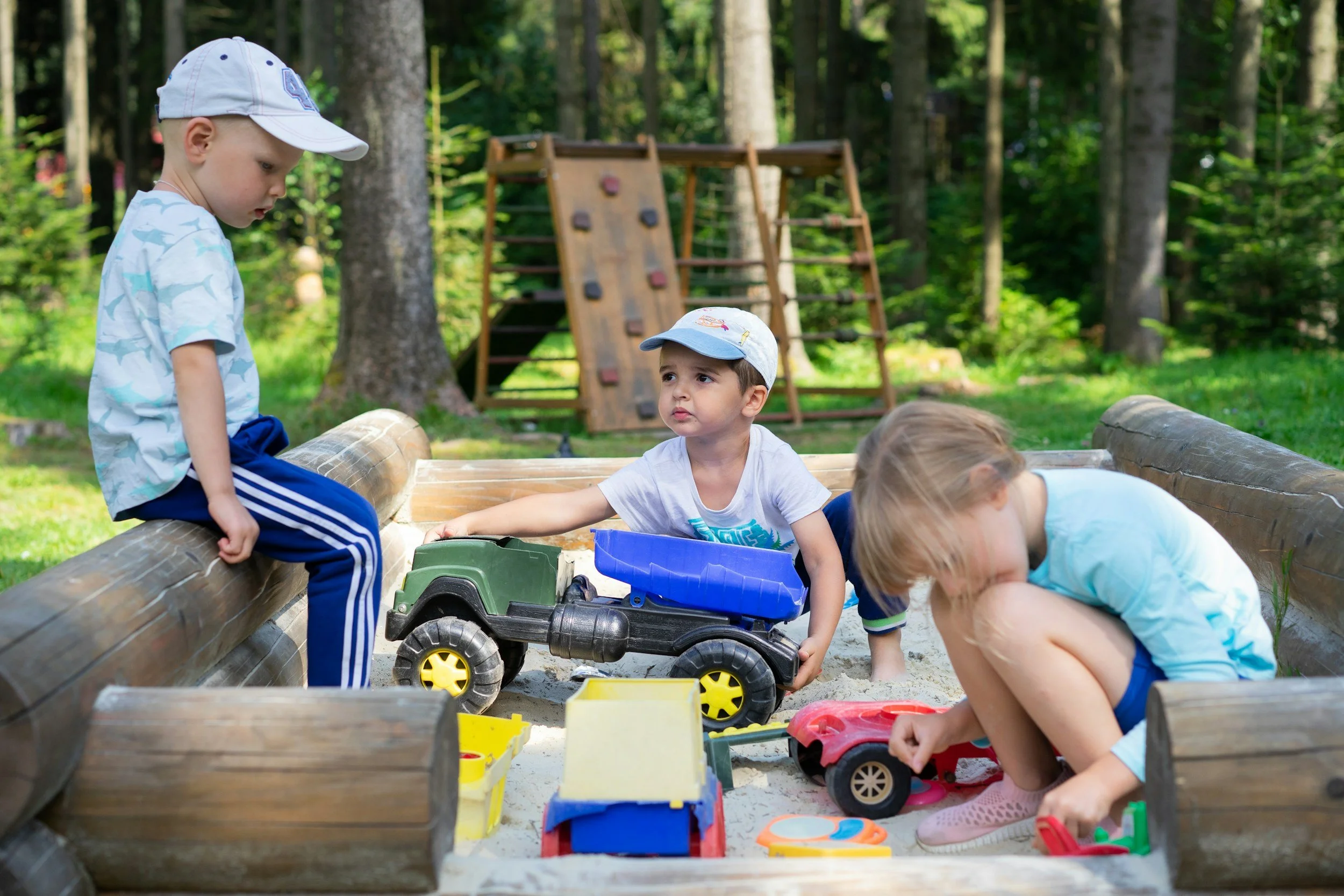
In order to successfully navigate peer relationships, or initiate and sustain play, a child must be able to read their peers and interpret their reactions as well as navigate the unexpected. For example, what do they do if their friend does not want to play the same game as they want to play? What do they do when a friend unexpectedly takes a toy out of their hands? Are they able to join in play with others without disrupting the ongoing activity?
Children with praxis challenges may appear “bossy” and demonstrate rigidity, or they may tend to be the “followers” and have difficulty coming up with play ideas and engaging with others.
How does The LaunchPad address praxis challenges?
We assess for sensory integrative or praxis challenges using the Evaluation of Ayres Sensory Integration, the golden standard for sensory integration. This evaluation tool includes subtests looking at specific types of praxis (i.e. ideation, sequencing, etc.). Based upon the findings, your child’s therapist will design a treatment plan specifically tuned to address your child’s areas of challenge while engaging their interests and motivation to play. Activities may be at the table or in the gym and will likely target several areas at once. For example, a climbing challenge supports proprioception and regulation while a novel sequencing aspect of the activity will also support praxis.
What can I do at home?
You can absolutely support your child’s progress by implementing activities into your existing routines at home.
Playing “Simon says”
Planning an obstacle course - begin with 2 or 3 steps and build as skills improve.
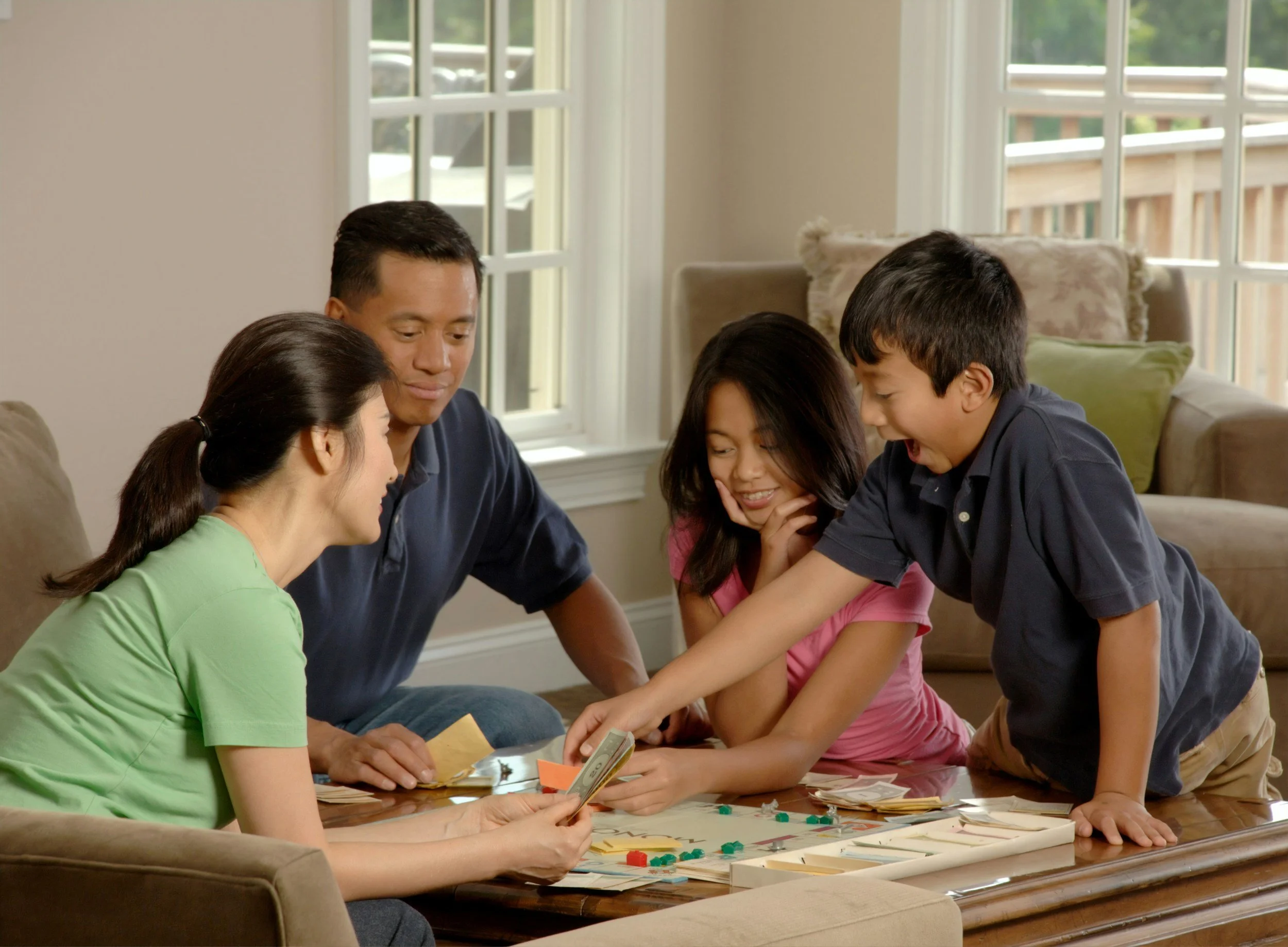
Board games or card games. Have your child teach you how to play or explain the rules.
Having your child do chores at home (i.e. setting the table, clearing the table, carrying down the laundry, folding laundry) teaches responsibility as a family member and develops praxis.
Interested to learn more?
Check out this page from CLASI: Resources For Parents (English)